Essential Drywall Maintenance & Early Repair Tips for DIYers
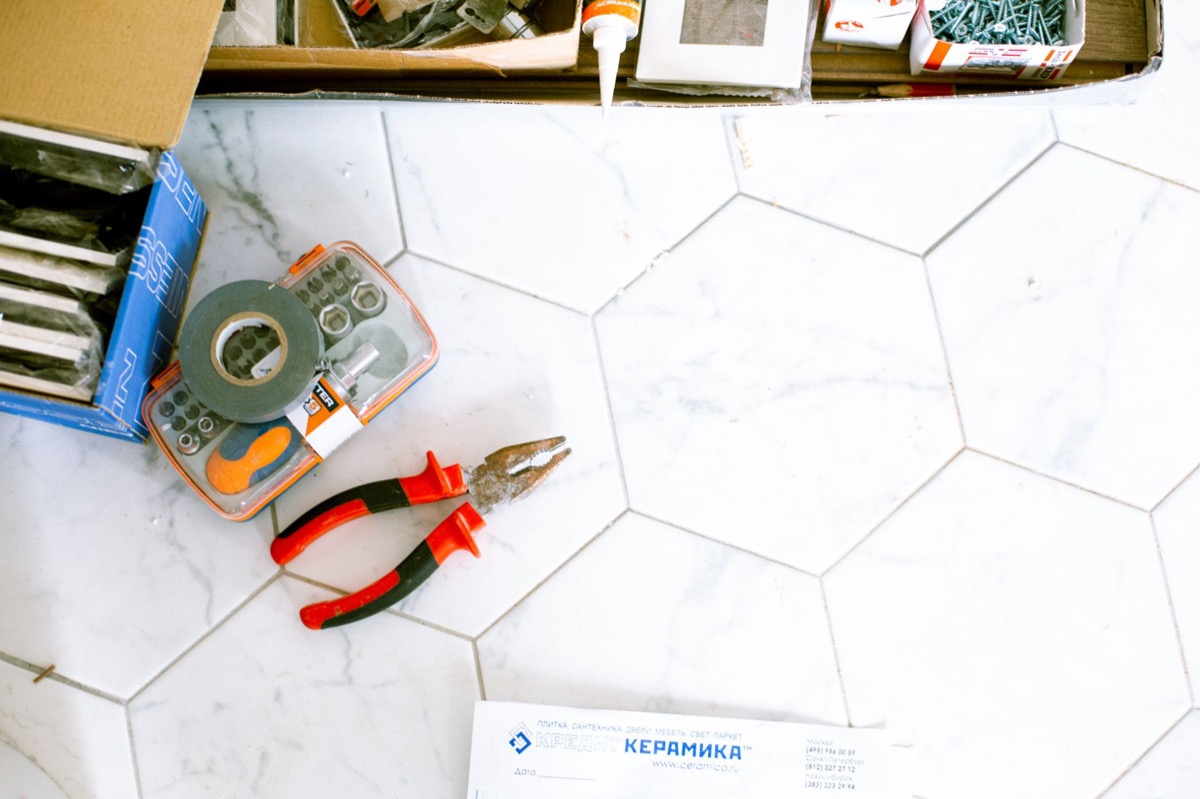
Addressing minor drywall issues promptly can save significant time and money down the line. For DIYers, understanding common drywall problems and knowing how to tackle them early is key to maintaining a beautiful and structurally sound home.
The Value of Early Drywall Detection and Repair
Drywall is a fundamental building material, providing smooth, durable surfaces for interior walls and ceilings. However, like any part of a home, it's susceptible to damage from various sources, including impact, moisture, or the natural settling of a structure. What might begin as a small crack or dent can, if left unaddressed, expand into a larger, more complex, and more costly problem to fix. Promptly identifying and addressing these minor imperfections not only maintains the aesthetic appeal of your walls but also helps ensure the structural integrity of your home's interior, preventing the need for extensive renovations later on.
Identifying Common Drywall Issues
Regular inspection of your walls and ceilings is your first line of defense against escalating drywall problems. Knowing what to look for allows you to catch issues while they are still manageable. Here are some common drywall problems DIYers should be aware of:
- Hairline Cracks: These often appear around doorframes, windows, or along ceiling lines due to minor house settling or temperature fluctuations. While many are purely cosmetic, growing or unusually wide cracks may signal more significant structural movement.
- Small Holes and Dents: Everyday mishaps, such as moving furniture or playful activities, can easily create small holes or indentations in drywall. These are typically straightforward to repair but can detract from a room's finished look.
- Nail Pops or Screw Pops: These occur when the fasteners (nails or screws) used to secure the drywall to wall studs or ceiling joists push through the joint compound and paint, creating a small bulge or chip. They are common as wood framing expands and contracts with changes in humidity and temperature.
- Water Stains or Discoloration: Yellow, brown, or dark spots on your drywall are unequivocal indicators of moisture intrusion. Addressing the source of the leak immediately is critical, as prolonged moisture exposure can lead to mold growth, odors, and significant damage to the drywall itself.
- Loose or Bubbling Joint Tape: The paper or mesh tape used to cover seams between drywall sheets can sometimes peel, bubble, or crack. This is often due to high humidity, improper initial application, or movement in the wall framing.
Essential DIY Drywall Repairs You Can Tackle
Many minor drywall issues can be repaired by DIYers with basic tools and materials, saving you the expense of calling a professional. Remember, before you begin any repair, accurately estimate the materials you'll need; our free drywall calculator can assist you in planning for joint compound, tape, and screws.
- For Small Holes and Dents: For minor dings, apply a lightweight spackle or joint compound with a putty knife. Ensure a thin, even layer, let it dry, then sand smooth. For slightly larger holes (up to 4-6 inches), a self-adhesive mesh patch or a small piece of new drywall can be embedded into joint compound before finishing.
- For Hairline Cracks: Widen the crack slightly with a utility knife to create a V-groove. Then, firmly press joint compound into the groove with a putty knife, ensuring it's well-filled. Smooth, let dry, and sand. For very fine, static cracks, a paintable caulk can sometimes be used.
- For Nail Pops/Screw Pops: First, use a hammer to gently tap the existing fastener back in, or if it's too loose, remove it. Then, drive a new drywall screw approximately 1.5 inches above or below the original pop, ensuring it bites firmly into the stud without breaking the paper face. Dimple the screw head slightly below the surface. Apply two thin coats of joint compound over both the new and old spots, sanding lightly between coats for a smooth finish.
- For Water Stains (after leak is fixed): Once the moisture source is completely resolved and the drywall is thoroughly dry, clean the stained area. Apply a high-quality stain-blocking primer, then repaint the area to match your wall color. If the drywall is soft, swollen, or crumbling due to water damage, it must be cut out and replaced entirely.
Proactive Maintenance for Long-Lasting Walls
Prevention is always better than extensive repair. Incorporating simple maintenance habits can significantly extend the life and appearance of your drywall:
- Manage Indoor Humidity: Use exhaust fans in bathrooms and kitchens, and consider a dehumidifier in damp basements or humid climates. Controlling humidity helps prevent moisture-related issues like mold growth and bubbling joint tape.
- Address Leaks Immediately: Any sign of a water leak from plumbing, a roof, or windows should be investigated and repaired at once. Prompt action is crucial to prevent significant drywall damage and potential mold formation.
- Protect High-Traffic Areas: Consider installing corner guards or decorative wainscoting in areas prone to impact, such as hallways, entryways, or children's rooms, to shield drywall from dents and scuffs.
- Regular Inspections: Periodically walk through your home, paying close attention to areas around windows, doors, plumbing fixtures, and ceilings. Early detection of issues like new cracks or stains allows for timely, simpler drywall repair cost management before problems escalate.
Sheets needed for 1,000 sq ft by drywall sheet size
Key Takeaways
- Address minor drywall damage quickly to prevent larger, more costly repairs.
- Regularly inspect your walls and ceilings for common issues like cracks, holes, water stains, and nail pops.
- Many small drywall problems can be fixed by DIYers using basic tools and materials like spackle or joint compound.
- Always identify and fix the source of moisture issues before repairing water-damaged drywall.
- Proactive maintenance, including humidity control and timely leak repairs, significantly extends drywall longevity.
Try It Yourself — Free
Before starting any drywall repair, use our free drywall calculator to estimate materials accurately. And if you're ever wondering about the best sheet size for your project, check out our guide on 4x8 vs 4x12 Drywall: Which to Use.
Related Resources
- 4x8 vs 4x12 Drywall Which to Use
- Drywall Calculator by Room Size
- Drywall Cost Estimator
- Drywall Screw Calculator
More From Our Network
- Duct Size Calculator — same niche
- cyberfrad — our network
Sources
- U.S. Environmental Protection Agency (EPA) — Guidance on the dangers of moisture and mold in homes, emphasizing prompt action.