Comprehensive DIY Drywall Installation and Repair Guide
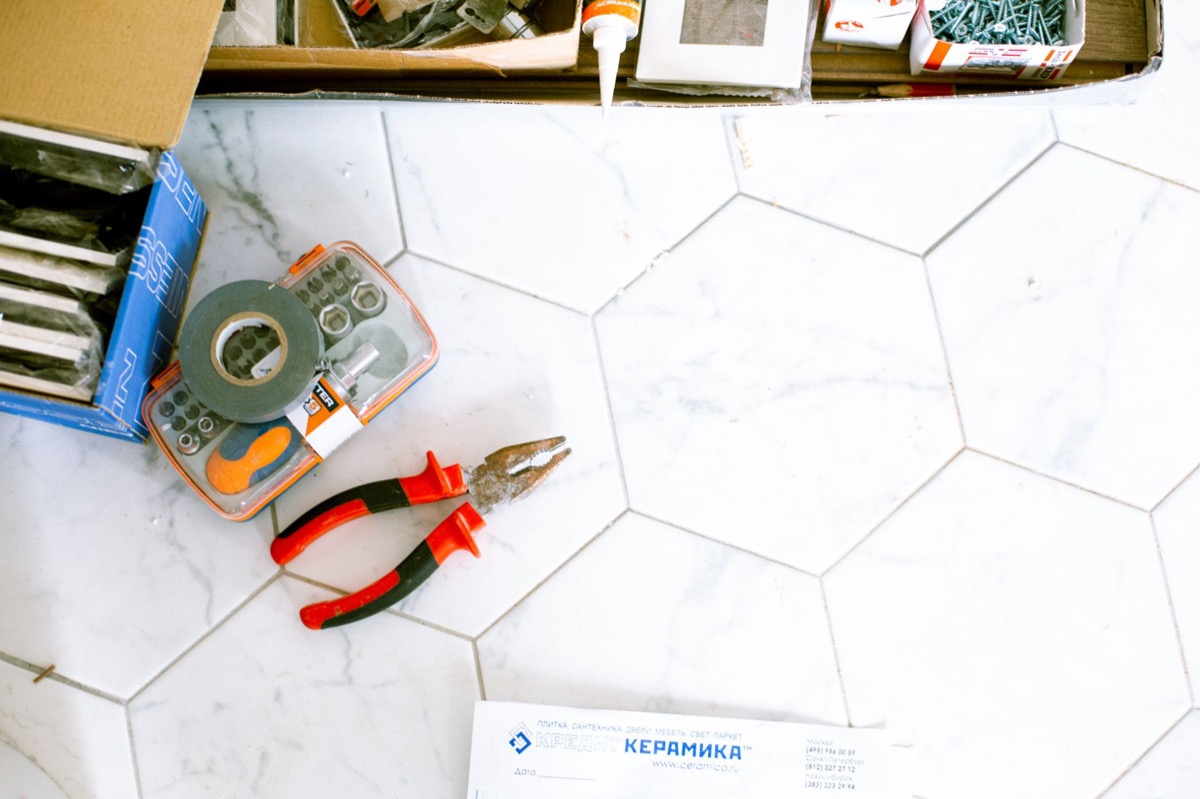
Recently, a comprehensive "Drywall installation and repair guide" was featured on MSN, highlighting the enduring importance of these skills for homeowners and professionals alike. Whether you're undertaking a full room renovation or simply patching a small hole, knowing the fundamentals of drywall work is essential for achieving a smooth, professional finish.
This guide offers a complete overview of DIY drywall installation and various repair methods, designed to help you navigate each step from initial planning and material selection to the final finishing touches. We'll also show you how to leverage free online tools, like the DrywallCalcs calculators, to simplify your projects and ensure accurate material estimates.
1. Planning and Preparation: Laying the Groundwork for Success
Before cutting your first sheet, thorough planning is paramount. Accurate measurements and careful material selection will save time and reduce waste. Starting with a clear plan helps ensure a successful outcome for any drywall project, big or small.
- Measure Your Space: Begin by precisely measuring the dimensions of your room, including walls and ceilings. This will help you determine the total square footage requiring drywall. Our free drywall calculator by room size can streamline this process.
- Estimate Materials: Once you have your total square footage, use our free drywall sheet calculator to determine how many sheets of drywall you'll need. Consider the optimal sheet size for your project – our guide on 4x8 vs 4x12 Drywall: Which to Use can help you decide. Don't forget to factor in a drywall waste factor overage, typically 10-15%, to account for cuts and mistakes.
- Choose the Right Drywall: Standard drywall (½-inch thick is common for walls, ⅝-inch for ceilings or fire-rated assemblies) is suitable for most areas. For bathrooms or basements, consider moisture-resistant (greenboard or purple board) or mold-resistant drywall.
- Gather Essential Tools: You'll need a utility knife, T-square, measuring tape, drywall saw, screw gun, sanding tools, joint compound (mud), joint tape, and personal protective equipment (PPE) like dust masks and safety glasses.
- Ensure Proper Ventilation and Safety: Drywall work can create significant dust. Ensure good ventilation, wear a respirator or dust mask, and protect your eyes. Always be mindful of sharp edges when handling drywall sheets.
2. The Drywall Installation Process: Hanging and Finishing
Installing new drywall involves several key steps, each critical for a professional finish. Patience and precision are your best tools here.
- Cutting Drywall Sheets: Measure and mark your sheets. Score the paper face with a utility knife, snap the board along the score, then cut through the paper on the back. For irregular cuts (outlets, windows), use a drywall saw.
- Hanging Drywall: Start with ceiling panels, then move to walls. Position sheets so edges meet on studs or ceiling joists. Use drywall screws to secure the sheets. Our drywall screw calculator and guide on How Many Screws per Sheet of Drywall can help you ensure proper fastening without overdoing it. Screws should be slightly countersunk below the surface but not break the paper.
- Taping Joints: Apply a thin, even layer of joint compound over all seams and corners. Embed paper or fiberglass mesh tape into the wet compound, ensuring it's centered over the seam. Use our free drywall tape calculator to estimate your needs.
- Applying Joint Compound (Mudding): After the first coat of mud and tape dries, apply two more progressively wider and thinner coats of joint compound, feathering the edges. Allow each coat to dry completely and lightly sand between coats to remove imperfections. Three coats are typically recommended for a smooth finish.
3. Essential Drywall Repair Methods
Damage to drywall is common, but most issues can be effectively repaired with the right techniques. Understanding various drywall repair methods can save you from costly professional services.
- Small Holes (Up to 4 inches): For nail pops, screw holes, or small dents, a simple spackle or lightweight joint compound can be applied directly. For slightly larger holes, use a self-adhesive drywall patch. Apply joint compound over the patch, feathering the edges, then sand smooth once dry.
- Medium Holes (4 to 12 inches): These require a small piece of new drywall. Cut the damaged section into a neat square or rectangle. Cut a replacement piece of drywall to match. You may need to add wood backing strips inside the wall cavity to screw the new patch to. Apply joint compound and tape around the perimeter of the patch, then apply additional coats of mud, sanding between each, until the repair is flush with the wall.
- Cracks and Stress Fractures: Minor cracks can often be fixed by scraping out loose material, applying joint compound, and embedding fiberglass mesh tape before additional coats of mud. For recurring cracks, investigate the underlying cause (e.g., house settling, structural issues) as a more extensive repair or professional assessment might be needed.
- Water Damage: If drywall is soft, discolored, or crumbling due to water, it must be cut out and replaced entirely. Address the source of the water leak before attempting any repairs to prevent recurrence.
4. Finishing Touches: Priming and Painting
The final steps are crucial for making your new installation or repair blend seamlessly with the rest of your space.
- Final Sanding: After the last coat of joint compound is completely dry, perform a final, light sanding to ensure the surface is perfectly smooth and free of ridges or imperfections. Use fine-grit sandpaper or a sanding sponge.
- Clean Thoroughly: Wipe down all drywall surfaces with a damp cloth to remove sanding dust. Dust can prevent primer and paint from adhering properly.
- Prime the Surface: Apply a good quality drywall primer/sealer. Primer helps seal the porous drywall and joint compound, creates a uniform surface for paint, and ensures a consistent color application.
- Paint: Once the primer is dry, you're ready to paint! Apply at least two coats of your chosen paint for optimal coverage and durability.
Sheets needed for 1,000 sq ft by drywall sheet size
Key Takeaways
- Accurate measurements and material estimates (using tools like our free drywall calculator) are critical for reducing waste and ensuring project success.
- Proper installation involves careful cutting, secure fastening with screws, and precise application of joint tape and multiple thin coats of joint compound.
- Drywall repairs range from simple spackle for small holes to cutting out and patching larger damaged sections with new drywall.
- Always wear appropriate personal protective equipment, especially a dust mask/respirator, during drywall work due to fine dust.
- Thorough sanding, cleaning, and priming are essential final steps for achieving a professional, long-lasting finish that accepts paint evenly.
Try It Yourself — Free
Ready to tackle your next drywall project? Visit our homepage at DrywallCalcs to use our free drywall calculators for sheets, screws, tape, and more, helping you estimate materials with precision. You can also explore our Drywall Cost Estimator to better budget for your project.
Related Resources
- 4x8 vs 4x12 Drywall Which to Use
- Drywall Calculator by Room Size
- Drywall Cost Estimator
- Drywall Screw Calculator
More From Our Network
- Duct Size Calculator — same niche
- cyberfrad — our network
Sources
- MSN — Original report